Home-Renovations-Brisbane
What Are the Biggest Mistakes People Make When Updating Their Homes?
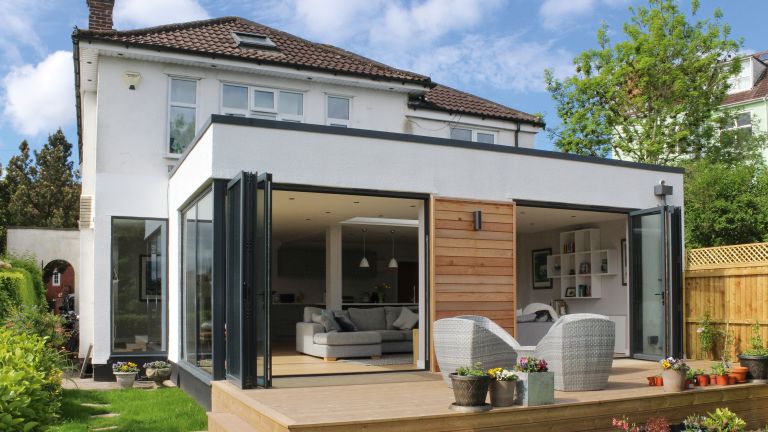
Updating your home is an exciting project. It can improve your comfort, increase your property's value, and make everyday living more enjoyable. However, many homeowners make costly mistakes that lead to delays, budget problems, and disappointing results. Whether you are planning a small makeover or a complete Home Renovations Brisbane project, understanding these common mistakes before you begin can save you both time and money.
One of the biggest reasons renovation projects fail is poor planning. Many people start work without setting clear goals, creating a realistic budget, or understanding the full scope of the project. As a result, they face unexpected expenses, design changes, and unnecessary stress. Experts consistently recommend spending more time planning than rushing into construction because good preparation reduces costly surprises.
Another important factor is choosing the right professionals and making informed decisions from the beginning. Hiring experienced contractors, planning for hidden repairs, and focusing on quality instead of short-term savings will help you achieve better long-term results. Whether you're considering Built Bay Home Renovations Brisbane services or planning improvements elsewhere, avoiding these mistakes can help your renovation stay on schedule and within budget.
1. Starting Without a Clear Plan
Many homeowners get excited about changing their homes and begin work without a detailed plan. They know they want a better kitchen or a larger living room but haven't decided on layouts, materials, colors, or functionality.
A successful renovation starts with clear answers to questions like:
- What is the main goal?
- Which rooms need updating?
- What is the maximum budget?
- Which features are essential?
- What can wait until later?
Without these answers, projects often experience delays, rising costs, and constant design changes.
2. Underestimating the Budget
Budget mistakes are among the most common renovation problems.
Many people only calculate the cost of flooring, cabinets, paint, or furniture while forgetting about:
- Permits
- Labor costs
- Demolition
- Waste removal
- Electrical upgrades
- Plumbing repairs
- Unexpected structural issues
Older homes especially can hide problems behind walls, under floors, or inside ceilings that only become visible once work begins.
A good rule is to keep an emergency fund of around 10% to 20% of the renovation budget for unexpected expenses. Experts widely recommend including a contingency because hidden issues are common once construction starts.
3. Choosing the Cheapest Contractor
Everyone wants to save money, but hiring the lowest-priced contractor isn't always the best decision.
A very low quote may leave out important work or use lower-quality materials. Inexperienced contractors can also make mistakes that require expensive repairs later.
Instead of focusing only on price, compare:
- Experience
- Reviews
- Previous projects
- Licenses
- Insurance
- Communication skills
- Detailed written estimates
Quality workmanship often saves more money over time than choosing the cheapest option.
4. Ignoring Hidden Problems
Some homeowners focus only on making the home look beautiful while ignoring existing issues.
These may include:
- Water leaks
- Mold
- Outdated wiring
- Plumbing problems
- Foundation cracks
- Roof damage
- Poor insulation
Covering these problems instead of fixing them usually leads to bigger repairs later.
Always solve structural and safety issues before installing new flooring, cabinets, paint, or decorations. Renovation professionals consistently advise addressing hidden repairs before cosmetic upgrades.
5. Making Changes During Construction
Changing your mind after construction begins is expensive.
Many homeowners decide to:
- Move walls
- Change flooring
- Replace cabinets
- Upgrade fixtures
- Add new rooms
Every change affects labor, materials, scheduling, and sometimes permits.
Finalize your design before demolition begins. This keeps the project moving smoothly and prevents unnecessary delays.
6. Following Trends Instead of Lifestyle
Trendy designs can look amazing online, but trends often change quickly.
Features that seem attractive today may look outdated within a few years.
Instead of copying every popular design trend, focus on:
- Comfort
- Functionality
- Easy maintenance
- Timeless colors
- Practical layouts
You can always add trendy decorations through furniture, artwork, lighting, or accessories that are easier and less expensive to replace later. Design experts often recommend limiting permanent trend-based choices while keeping structural finishes timeless.
7. Poor Communication With Contractors
Miscommunication causes many renovation mistakes.
Homeowners sometimes assume builders understand every detail, while contractors may make reasonable assumptions to keep work moving.
Always communicate clearly.
Provide:
- Drawings
- Measurements
- Photos
- Material lists
- Written instructions
Regular site meetings also help solve small issues before they become expensive problems.
8. Trying to Do Everything Yourself
DIY projects can reduce costs for simple tasks like painting or decorating.
However, certain jobs require qualified professionals, including:
- Electrical work
- Plumbing
- Structural changes
- Waterproofing
- Gas installations
Mistakes in these areas can create safety hazards and increase repair costs.
Know your limits and hire experts when necessary.
9. Choosing Looks Over Function
Beautiful homes should also be practical.
Some homeowners prioritize appearance while forgetting daily usability.
Ask yourself:
- Is there enough storage?
- Is the lighting sufficient?
- Are walkways comfortable?
- Are kitchen layouts efficient?
- Will this design still work in five years?
A functional home is easier to live in and often adds greater long-term value.
10. Forgetting About Storage
Storage is often overlooked during renovations.
After moving back into the house, homeowners realize they don't have enough space for everyday items.
Think about adding:
- Built-in wardrobes
- Pantry storage
- Laundry cabinets
- Garage shelving
- Under-stair storage
Good storage keeps your home organized and makes rooms feel larger.
11. Not Planning Lighting Properly
Lighting changes how every room feels.
Many people only install ceiling lights and forget about layered lighting.
Consider including:
- Task lighting
- Accent lighting
- Under-cabinet lighting
- Reading lights
- Outdoor lighting
Also plan electrical outlets carefully before walls are finished. Many homeowners later regret poor lighting and outlet placement because fixing them afterward is much more expensive.
12. Buying Low-Quality Materials
Cheap materials may reduce the initial budget, but they often wear out faster.
Low-quality flooring, paint, cabinets, or fixtures may need replacement much sooner.
Instead, invest in quality materials for areas that receive heavy daily use, such as:
- Kitchens
- Bathrooms
- Flooring
- Doors
- Windows
This usually provides better durability and higher long-term value.
13. Ignoring Permits and Building Rules
Some renovations require permits or inspections.
Skipping legal requirements can result in:
- Fines
- Project delays
- Insurance issues
- Problems when selling the property
Before beginning any major renovation, check local regulations and make sure all required approvals are in place.
14. Expecting Everything to Finish on Time
Almost every renovation experiences minor delays.
Possible reasons include:
- Material shortages
- Weather conditions
- Inspection schedules
- Hidden repairs
- Delivery delays
Build flexibility into your schedule rather than expecting everything to finish exactly on the original date.
15. Forgetting About Future Needs
Many homeowners renovate only for today's lifestyle.
Instead, think about the future.
Ask yourself:
- Will this layout still work as your family grows?
- Could aging family members use the space comfortably?
- Will the renovation increase resale value?
- Is the design energy-efficient?
Planning ahead helps your investment remain valuable for many years.
Tips for a Successful Home Update
To improve your chances of a smooth renovation:
- Create a detailed renovation plan.
- Set a realistic budget with extra emergency funds.
- Hire experienced professionals.
- Communicate clearly throughout the project.
- Focus on quality instead of the lowest price.
- Fix structural issues before cosmetic upgrades.
- Choose timeless designs.
- Plan lighting and storage early.
- Follow local building regulations.
- Expect some unexpected challenges.
Final Thoughts
Updating your home is one of the best investments you can make when approached with careful planning and realistic expectations. Most renovation problems happen because homeowners rush decisions, underestimate costs, or overlook important details before work begins. By avoiding these common mistakes, you can enjoy a smoother renovation experience with fewer surprises.
Whether you're planning minor improvements or a complete Home Renovations Brisbane project, taking the time to prepare properly, hire qualified professionals, and prioritize quality over shortcuts will lead to a home that is beautiful, functional, and built to last. Careful planning today can help you enjoy the benefits of your renovated home for many years to come.